1Approve one subject
16 bit pixel art game sprite, chunky square pixels, a small dark grey radio robot, rounded boxy body, ... The approved subject is one render off this prompt, picked by eye.
Robinhood Chain native
Write or upload the subject once. That approved text opens every prompt after it while only the trait phrase changes, you keep the renders that hold, and each one ships with its traits, its rarity and its ERC-721 JSON.
1Approve one subject
16 bit pixel art game sprite, chunky square pixels, a small dark grey radio robot, rounded boxy body, ... The approved subject is one render off this prompt, picked by eye.
2Render the batch
3Mint and list
The same wallet lists them on OpenSea

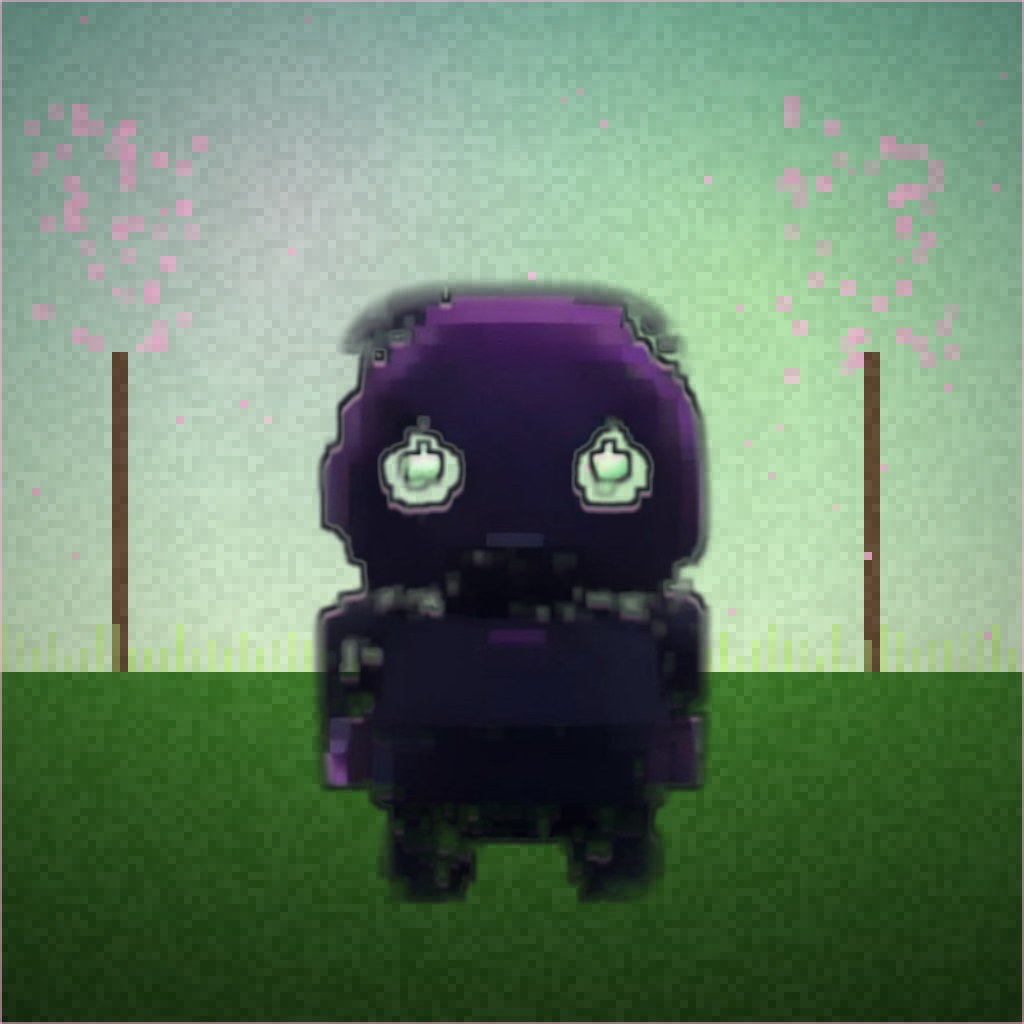
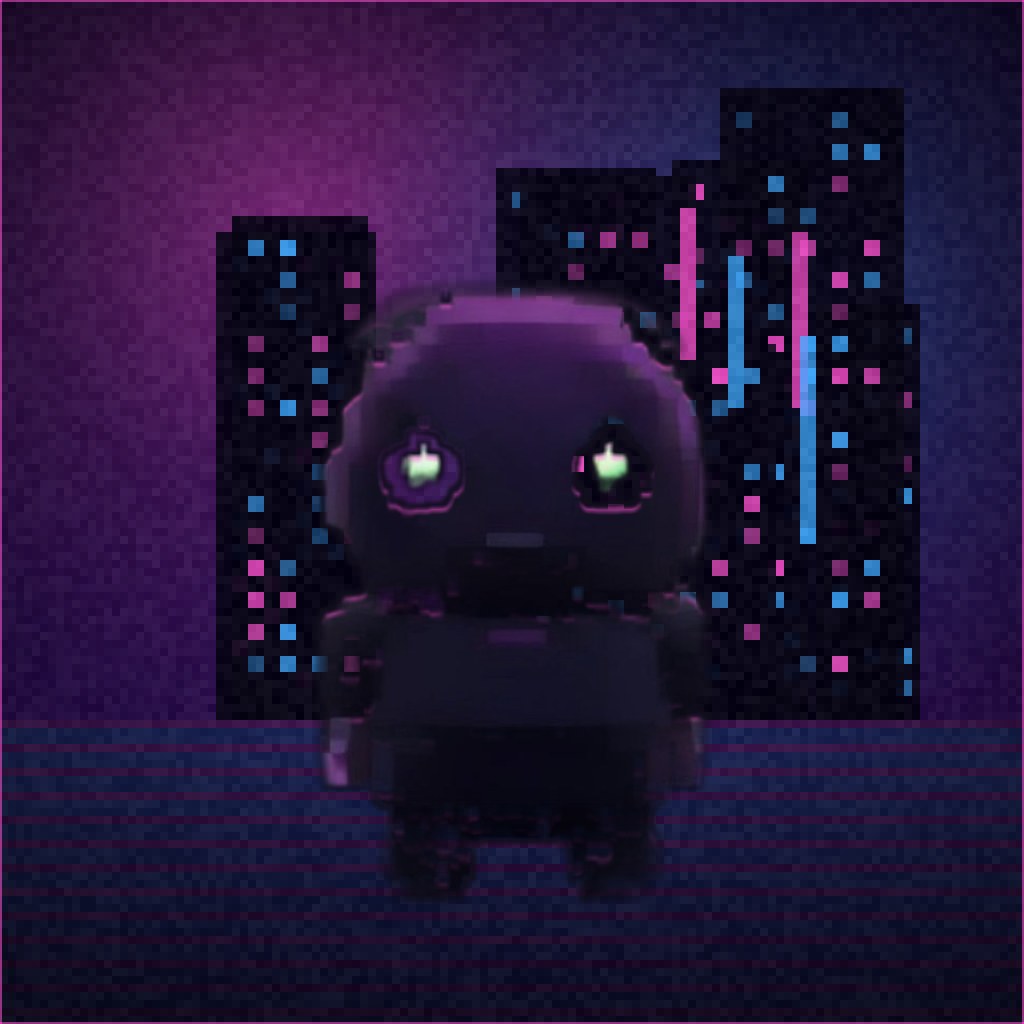
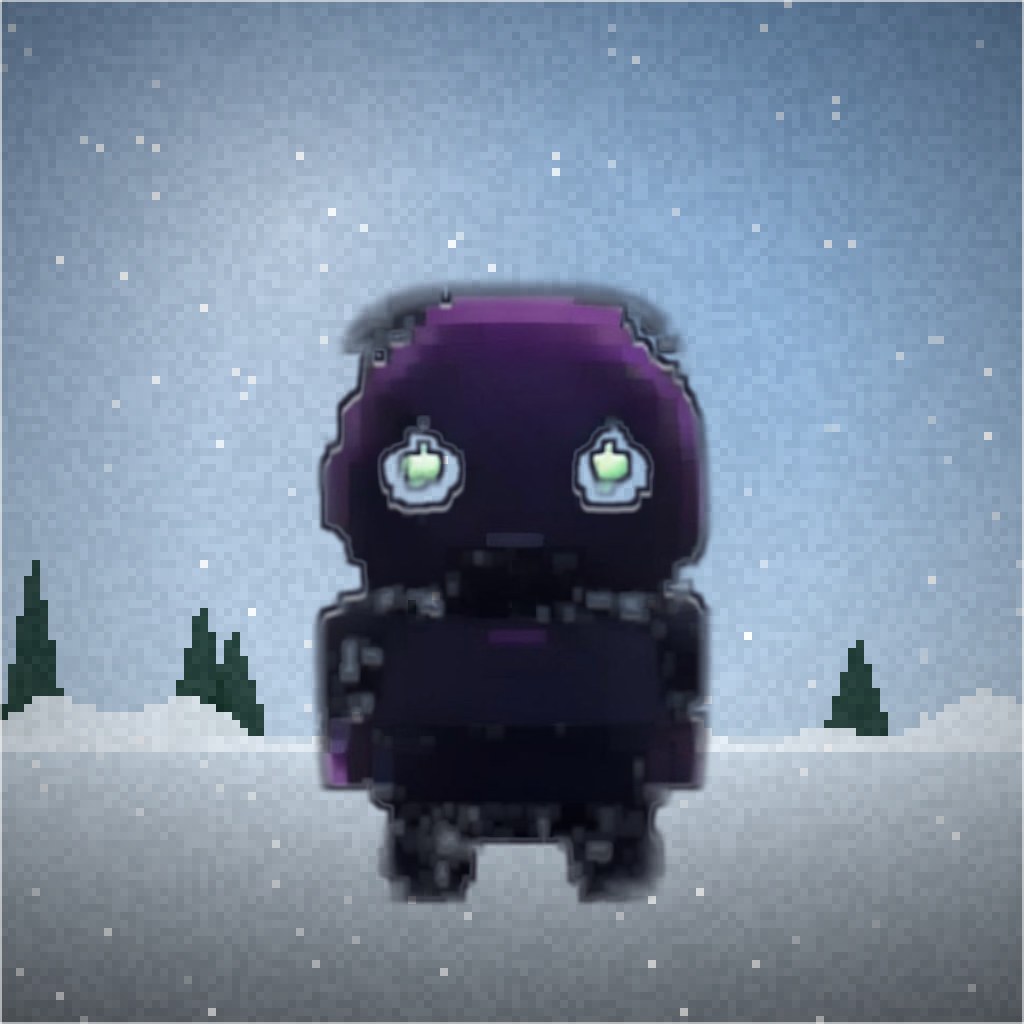
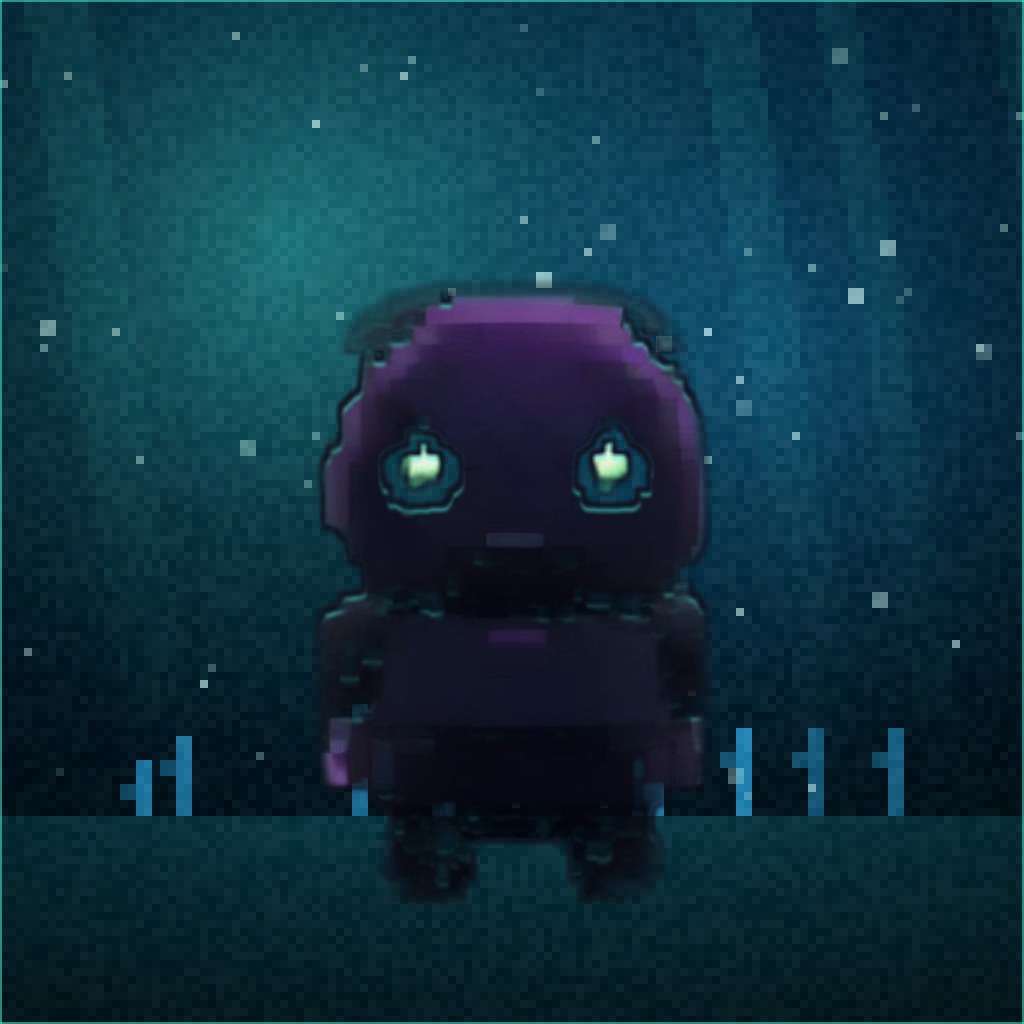
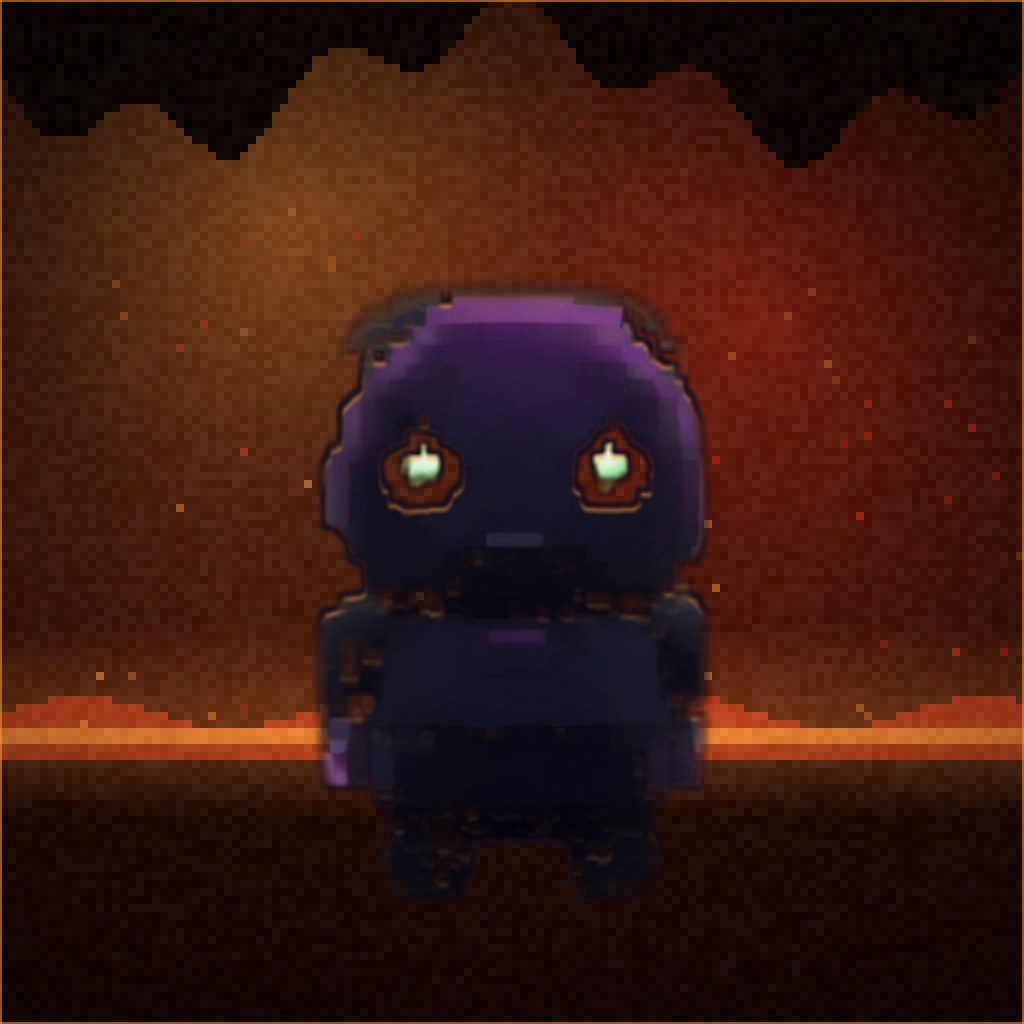
The mark, and six worlds from one render.
Live on Robinhood Chain
Public projects on the same network. They are not vibe customers and they do not use vibe.
Why vibe
Most image tools hand back a single file. After that you fight drift between prompts, resize by hand and rebuild the JSON twice. vibe puts the approved subject in front of every prompt, renders several variants a batch, and writes the assets, the trait table and the metadata together.
Silhouette, face, mark and structure are named in the text the prompts start from. Scene, material, outfit and accessory are the parts a batch moves.
Go from one approved concept to a full set, with weights deciding how often each trait shows up.
Name, token ID, attributes and JSON are produced per item, then checked before anything leaves the browser.
Render, review, export, connect a wallet, mint. One page holds the whole run.
Generated collection
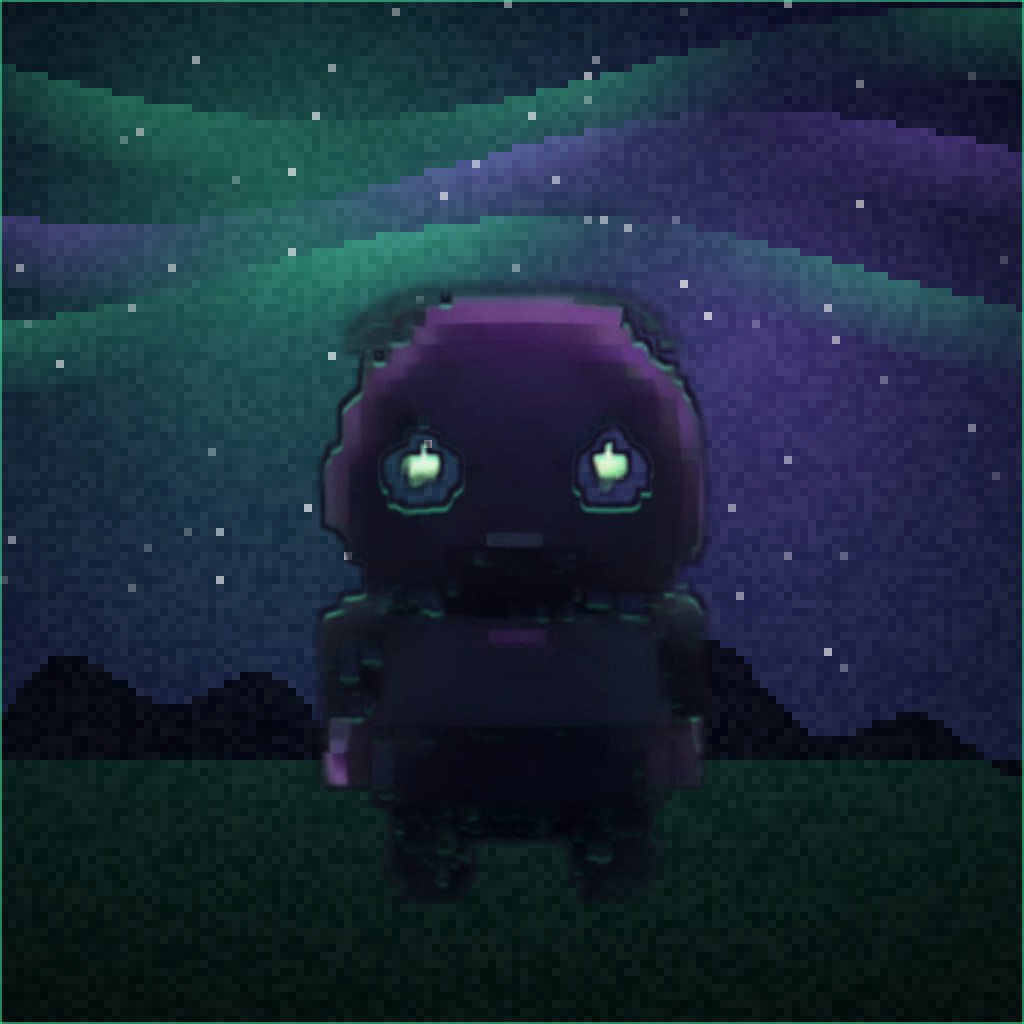
One approved render stands in all six. Each world is a scene composited around that one render by a script, not a new generation, so what changes is the place and the light on it, never the character.
The sprite is one genuine engine output, kept by eye out of the pool and stored as the approved subject. The world trait is applied to it as a treatment: a backdrop, that world’s light and a pixel border. The sprite pixels do not change between the six.
Real world references
Well known projects, listed so the pattern is concrete. None of them is a vibe case study, customer or partner.
Pixel avatars
One pixel character, ten thousand variants, a rarity model anyone could read. It set the shape most later sets copied.
10,000items in the set
Open the collection page ↗Character licensing
Grew a set of onchain characters into toys, licensing deals and shelf space.
8,888items in the set
Open the collection page ↗Membership avatars
Turned a fixed avatar set into a membership, with events and benefits attached to the token.
10,000items in the set
Open the collection page ↗Why turn visuals into NFTs
Minting does more than park a picture on a chain. It attaches an owner, a history anyone can read and a hook for whatever ships next.
Each piece carries its own token ID, an owner address and a transfer trail on the chain.
Example: editions and signed work
The token gates content, events, votes and member pricing.
Example: passes and in game identity
A character set that holds together on screen can leave it: figures, merchandise, game skins, licence deals.
Example: licensing and physical goods
Traits can change, drops can target holders, and the next product reads the same token.
Example: trait updates and holder drops
One token on Robinhood Chain for one product. Nothing in the studio is gated behind it: generation, trait composition, export and publishing run without holding any. The official contract address is the one shown in this panel. Always confirm it on this site before interacting, transferring or trading, and treat any address from another source as unverified.
Official contract address
Built for this chain
vibe writes the images, the trait table, the rarity ranks and the JSON, then mints them through the vibe Collection contract on Robinhood Mainnet. Once the receipt lands, the same wallet lists them on OpenSea.